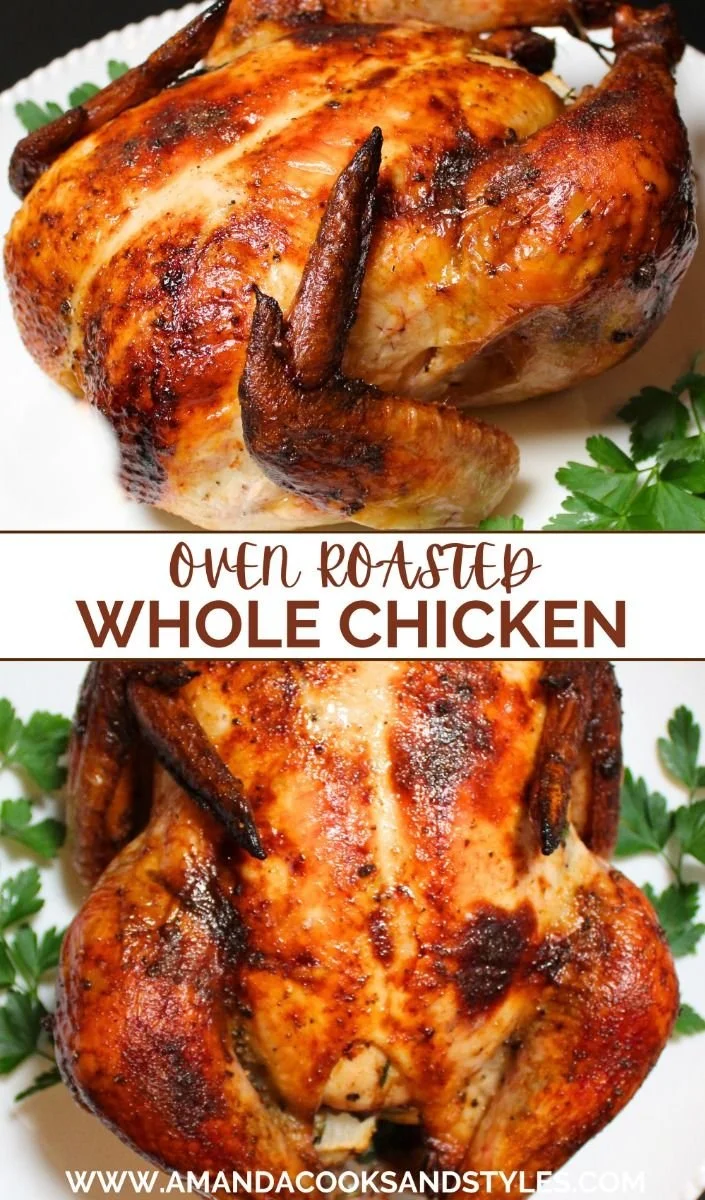
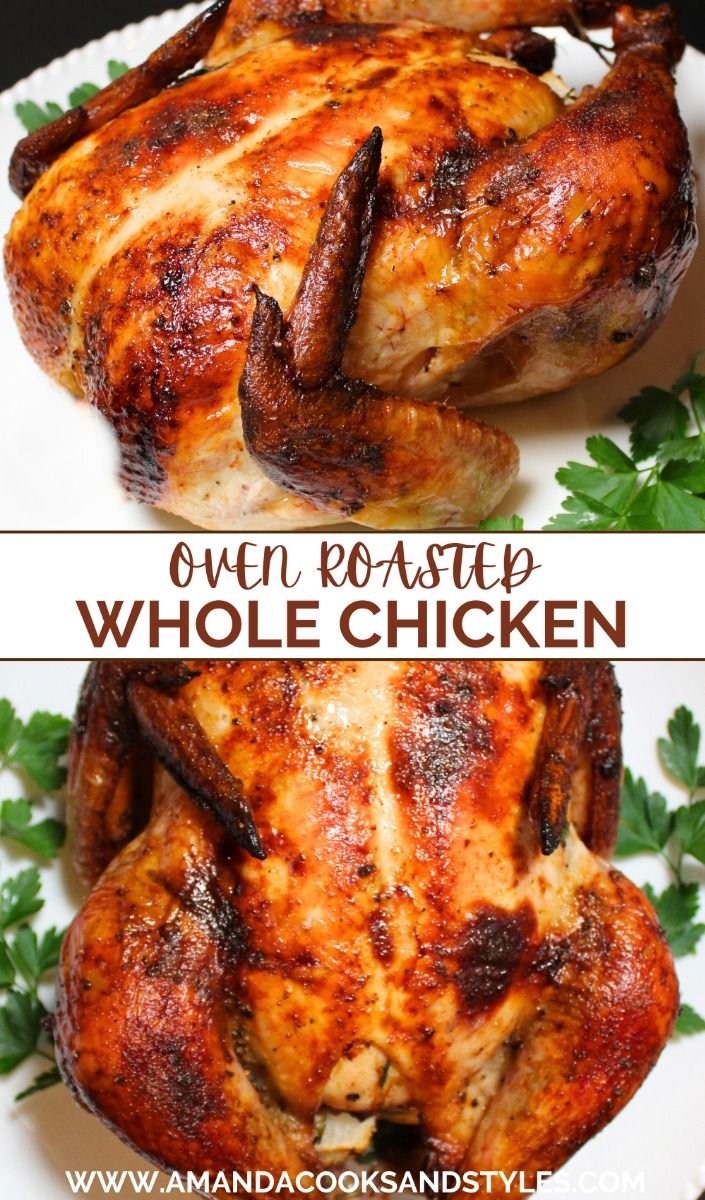
Roasted Whole Chicken is a comforting and easy dish that anyone can make at home. This recipe is perfect for family dinners or special occasions, and it guarantees a flavorful meal with crisp skin and tender meat. If you’re looking for a satisfying main course that fills the house with an irresistible aroma, this roasted chicken is definitely worth trying.
Why You’ll Love Roasted Whole Chicken
- Simple and Accessible: This recipe uses basic techniques and ingredients, making it perfect for beginner cooks.
- Flavor-packed: Stuffing the chicken with aromatics and seasoning ensures every bite is delicious and full of flavor.
- Impressive Presentation: A beautifully roasted whole chicken makes for an impressive centerpiece at any meal, perfect for impressing guests.
- Versatile Leftovers: Enjoy the chicken on its own, or use leftovers in sandwiches, salads, or soups.
- Budget-Friendly: Cooking a whole chicken is often more economical than buying pre-cut meat, and it provides multiple meals.
Recipe Overview
- Prep Time: 25 minutes
- Cook Time: 1 hour 10 minutes
- Total Time: 1 hour 35 minutes
- Servings: 6 to 8
- Difficulty Level: Easy
Ingredients You’ll Need for Roasted Whole Chicken
- Chicken and Aromatics:
- 1 Whole Chicken (5-6 pounds)
- 3-4 Fresh parsley sprigs
- 1/2 Yellow onion (cut into fours)
- 2 Garlic cloves
- 2 Lemon wedges
- Seasonings and Butter:
- 1 tbsp Dijon mustard
- 4 tbsp Butter (divided)
- 1/2 tsp Salt
- 1/2 tsp Pepper
- 1/2 tsp Paprika
- 1/2 tsp Onion powder
- 1/2 tsp Garlic powder
This combination of ingredients helps create a flavorful and moist roasted chicken. Fresh herbs like parsley add a delightful aroma, while the butter ensures a golden, crispy skin.
How to Make Roasted Whole Chicken
-
Prepare the Chicken
Pull the chicken out of the fridge about 20 minutes before roasting. Preheat your oven to 400°F (200°C) to ensure an even roast. -
Season the Chicken
Remove the giblets from the chicken cavity and pat the chicken dry with a paper towel. In a small bowl, mix together the salt, pepper, paprika, onion powder, and garlic powder. Rub this seasoning blend all over the chicken, inside and out. Then, spread the Dijon mustard over the chicken. -
Stuff the Chicken
Stuff the cavity of the chicken with the quartered onion, garlic cloves, lemon wedges, and fresh parsley. Cut 2 tablespoons of butter into small chunks and place them inside the cavity as well. -
Tie the Legs Together
Using cooking twine, tie the chicken legs together to help it cook evenly. This helps retain moisture. -
Add Topping Butter
Cut the remaining 1 tablespoon of butter into six small pieces. Gently slide these butter pieces under the skin on the top of the chicken, which will help crisp the skin during roasting. -
Roast the Chicken
Place the chicken in a roasting pan or on an oven-safe rack set in a baking sheet. Bake in the preheated oven for 25 minutes at 400°F, then lower the temperature to 350°F (175°C). Continue to roast for an additional 45-65 minutes, until the internal temperature reaches 165-170°F (75-77°C). Baste with the remaining melted butter during the last 10 minutes for extra flavor. -
Rest the Chicken
When done, remove the chicken from the oven and allow it to rest for 20 minutes before carving. This helps the juices redistribute, keeping the meat moist.
Tips for Success
- Ensure the chicken is completely dry before seasoning to help the skin crisp up nicely.
- Use a meat thermometer to check for doneness. Insert it into the thickest part of the thigh without touching the bone.
- Don’t skimp on basting toward the end. It enhances flavor and helps achieve that golden color.
- Letting the chicken rest is crucial. Don’t skip this step, as it results in juicier meat.
Easy Variations
- Herb Variations: Try stuffing the chicken with rosemary or thyme instead of parsley for a different flavor profile.
- Spice It Up: Add red pepper flakes to the seasoning mix for a spicy kick.
- Vegetable Roast: Surround the chicken with chopped root vegetables like carrots and potatoes for a one-pan dinner.
- Citrus Twist: Swap lemon for oranges or add fresh rosemary to the stuffing for a zesty, aromatic flavor.
What to Serve with Roasted Whole Chicken
- Roasted Vegetables: Seasonal roasted vegetables complement the chicken perfectly, adding color and flavor.
- Mashed Potatoes: Creamy mashed potatoes provide comfort and balance to the meal.
- Green Salad: A light salad with a vinaigrette can provide a refreshing contrast to the rich chicken.
- Bread: Serve with crusty bread or rolls to soak up the delicious juices.
Storage and Reheating
- Refrigerator Storage: Leftover chicken can be stored in an airtight container for up to 3-4 days in the refrigerator.
- Freezer Storage: The chicken can be frozen, wrapped tightly, for up to 3 months. Be sure to cool completely before freezing.
- Reheating Method: To reheat, place chicken in a covered dish in the oven at 350°F (175°C) until heated through, about 20-30 minutes. This helps maintain moisture and texture.
Common Mistakes to Avoid
- Not Drying the Chicken: Moisture on the surface can cause the skin to steam instead of crisp.
- Overcrowding the Oven: Make sure there’s enough room for air to circulate around the chicken for even cooking.
- Skipping the Resting Period: Cutting into the chicken too soon will cause the juices to run out, resulting in dry meat.
- Forget Basting: Neglecting to baste can result in less flavor and a less appealing appearance.
Roasted Whole Chicken: Background & Cultural Inspiration
Roasted chicken is a foundational dish in many cuisines around the world. Its origins can be traced back centuries, as cooking whole animals over fire has been a common method throughout history. In French cuisine, the term "poulet rôti" refers to this classic dish, often served with pan sauces. In American culture, Sunday roasts have become a cherished tradition, symbolizing family time. Each culture adds its twist, showcasing varied spices and stuffing techniques that reflect regional ingredients and tastes.
Frequently Asked Questions
Can I use a frozen chicken?
Yes, but it’s essential to thaw it completely before cooking. This can take 24 hours in the fridge.
How do I know when the chicken is done?
The safest way is to use a meat thermometer; target an internal temperature of 165-170°F (75-77°C).
Can I make this ahead of time?
While it’s best fresh, you can prepare the chicken with spices and stuffings a day in advance. Store it in the fridge until you’re ready to roast.
What if I don’t have Dijon mustard?
You can substitute with whole grain mustard or omit it completely if you prefer.
How do I prevent the chicken from drying out?
Basting, using butter, and allowing it to rest after cooking are all crucial to maintaining moisture.
Final Thoughts
Roasted Whole Chicken is more than just a meal; it’s a comforting dish that brings people together. The ease of preparation and delicious results make this recipe a must-try for any home cook. Embrace the satisfying process of roasting your chicken and enjoy the warmth it brings to your dining table. Give this recipe a try, and enjoy the incredible flavors and cozy moments it creates!