If you’re looking for a comforting and satisfying meal, this homemade pizza recipe is just what you need. Whether you enjoy indulging in a classic cheese pie or love to experiment with a variety of toppings, making pizza at home is not only fun but also incredibly delicious. This recipe will guide you through crafting a perfect pizza right in your kitchen, giving you a delightful way to gather with family and friends.
Why You’ll Love Homemade Pizza
- Customizable Toppings: You can choose your favorite ingredients, from fresh vegetables to delicious meats, allowing everyone to create their own unique pizza.
- Simple to Make: With just a few steps, even beginner cooks can easily follow along and create something special for dinner.
- Freshness Guaranteed: Making your pizza from scratch means you can control the freshness of your ingredients, elevating the overall flavor.
- Quality Family Time: Preparing pizza can be a fun family activity, engaging everyone in the kitchen and creating special memories.
- Perfect for Any Occasion: Whether it’s a rainy day or pizza night with friends, this recipe fits perfectly into any setting.
Recipe Overview
- Prep Time: 15 minutes
- Cook Time: 15 minutes
- Total Time: 30 minutes
- Servings: 4
- Difficulty Level: Easy
Ingredients You’ll Need for Homemade Pizza
- Pizza Dough: Store-bought or homemade, this serves as the base for your pizza.
- Tomato Sauce: A layer of your favorite marinara or pizza sauce will add flavor and moisture.
- Cheese: Mozzarella is classic, but feel free to mix in cheddar, fontina, or a blend for extra flavor.
- Toppings: Choose from pepperoni, bell peppers, onions, mushrooms, olives, or any of your favorite ingredients.
- Olive Oil: A drizzle will enhance the flavor and help the crust brown perfectly.
- Flour: For dusting your surface as you roll out the dough to prevent sticking.
How to Make Homemade Pizza
-
Preheat the Oven
Start by preheating your oven according to the instructions on your pizza dough package, typically around 475°F (245°C). If you’re using a pizza stone, place it in the oven while it heats. -
Roll Out the Dough
On a floured surface, take your pizza dough and roll it out to your desired thickness. Aim for ¼ inch for a standard pizza. -
Transfer to Baking Surface
Carefully transfer the rolled-out dough to a pizza stone or a baking sheet lined with parchment paper. -
Add Sauce
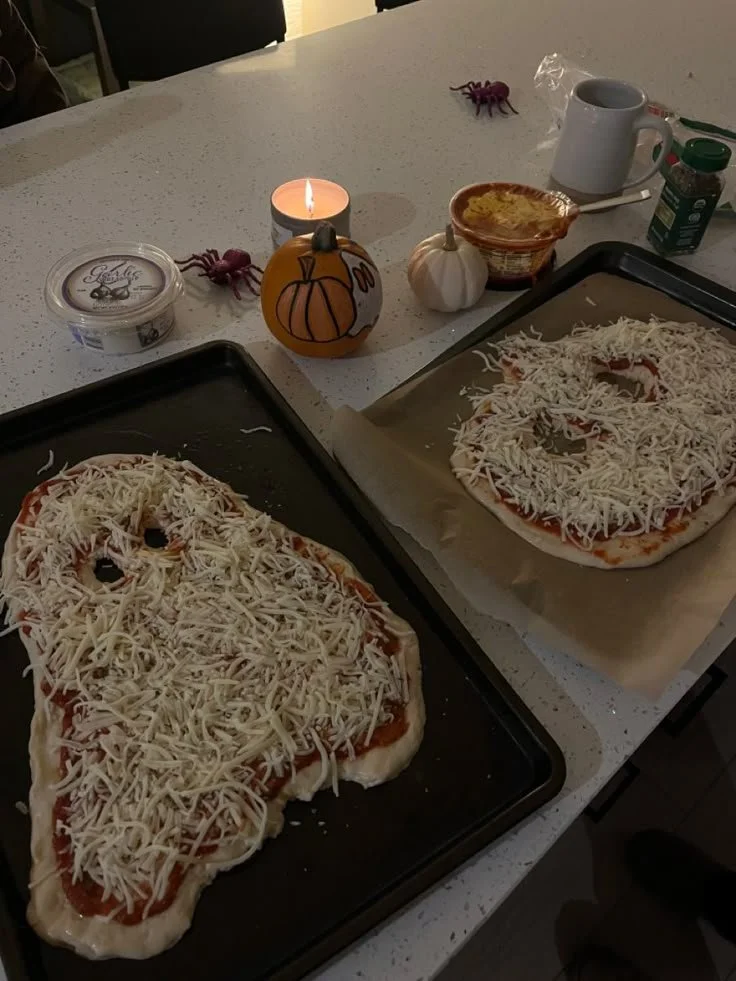
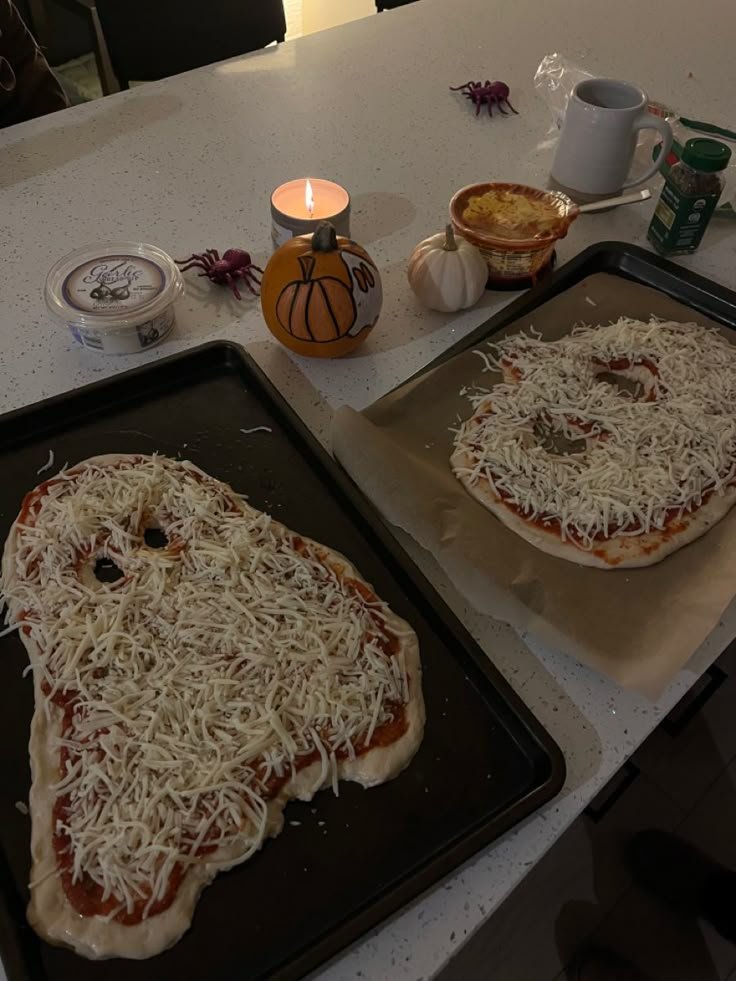
Spread a layer of tomato sauce evenly over the surface of the dough, leaving a small border for the crust. -
Sprinkle Cheese
Generously sprinkle cheese over the sauce. Make sure to cover the sauce well, as the cheese will melt and enhance the flavor. -
Top It Off
Add your favorite toppings evenly across the pizza. Get creative and try different combinations! -
Drizzle Olive Oil
Drizzle a little olive oil on top of the pizza for extra flavor and to help achieve a golden crust. -
Bake Until Golden
Bake in the preheated oven for the time specified on the dough package, usually about 10-15 minutes. Keep an eye on the pizza until the cheese is bubbly and the crust is golden brown. -
Slice and Serve
Once baked, remove the pizza from the oven, let it cool for a minute, slice it up, and serve warm!
Tips for Success
- Avoid Overloading: Too many toppings can weigh down the crust and make it soggy. Aim for a balanced amount.
- Watch the Time: Keep an eye on your pizza as it bakes to prevent burning, especially if using a high heat setting.
- Let the Dough Rest: If the dough is hard to roll out, let it rest for a few minutes to relax the gluten.
- Use Fresh Ingredients: Fresh toppings will provide a burst of flavor. Whenever possible, opt for seasonal produce.
- Experiment with Shine: For a shinier crust, brush the edges with olive oil before baking.
Easy Variations
- Margherita Style: Use sliced fresh tomatoes and basil leaves with mozzarella for a classic Italian twist.
- BBQ Chicken Pizza: Substitute tomato sauce with barbecue sauce and top with shredded chicken, red onion, and cilantro.
- Vegetarian Delight: Load your pizza with a variety of vegetables such as spinach, zucchini, and bell peppers.
- Spicy Pepperoni: Add a sprinkle of red pepper flakes for a bit of heat alongside traditional pepperoni.
- Gluten-Free Option: Use gluten-free pizza dough for those with dietary restrictions.
What to Serve with Homemade Pizza
- Mixed Green Salad: A light salad can balance out the richness of the pizza and add freshness to your meal.
- Garlic Bread: Serve alongside warm garlic bread for an extra layer of comfort.
- Wine Pairing: A light red or white wine complements the savory flavors of pizza beautifully.
- Coleslaw: The crunch and tang of coleslaw can be a refreshing contrast to the warm pizza.
- Roasted Vegetables: A side of roasted seasonal vegetables can add a warm and hearty touch to your meal.
Storage and Reheating
- Refrigerator Storage: Store any leftover pizza in an airtight container in the refrigerator for up to 3 days.
- Freezer Storage: Freeze pizza slices in plastic wrap, then place them in a freezer bag for up to 2 months.
- Best Reheating Method: For optimal texture, reheat in an oven at 375°F (190°C) for about 10 minutes until heated through.
- Preserving Texture: Avoid microwaving, as it may make the crust soggy. Reheating in the oven helps maintain crispiness.
- Meal Prep Note: Prepare the dough and toppings in advance for a quick assemble-and-bake pizza night.
Common Mistakes to Avoid
- Not Preheating: Failing to preheat your oven and baking surface can lead to uneven cooking and a soggy crust.
- Rolling Too Thin: Rolling the dough too thin can result in a burnt or overly crunchy crust.
- Skipping the Flour: Not dusting your surface can make the dough stick, creating frustration during preparation.
- Overcrowding: Adding too many toppings can lead to undercooked dough and a messy pizza.
- Serving Too Hot: Cutting and serving pizza immediately can lead to burns; let it cool slightly before slicing.
Homemade Pizza: Background & Cultural Inspiration
Homemade pizza has roots in Italian cuisine, particularly in Naples, where it was first created. With its simple ingredients and flavorful combinations, pizza has evolved into a beloved dish worldwide. From the rustic, wood-fired versions of Italy to the deep-dish styles of Chicago, each region puts a personal spin on the classic recipe. The ability to customize toppings also draws from various culinary traditions, making pizza a versatile canvas for creativity and flavor.
Frequently Asked Questions
Can I use store-bought dough?
Yes, store-bought pizza dough is a convenient option, providing an easy way to make pizza without the preparation time.
How can I make a low-carb pizza?
You can create a low-carb pizza using a cauliflower crust or almond flour base as a substitute for traditional dough.
What are the best toppings for pizza?
Popular toppings include pepperoni, mushrooms, bell peppers, olives, onions, and various cheeses. Feel free to mix and match according to your preferences!
Can I make pizza ahead of time?
Yes, you can prepare the dough, sauce, and toppings in advance. Assemble the pizza and keep it refrigerated until you’re ready to bake.
How do I get a crispy crust?
For a crispy crust, preheat your oven and baking surface well, and avoid overloading with toppings.
Final Thoughts
This homemade pizza recipe is a fantastic way to bring family and friends together while enjoying flavorful and satisfying food. With the freedom to customize it to your liking, pizza night will become a cherished tradition in your household. So roll up your sleeves, gather your ingredients, and get ready for a delicious culinary adventure!